Vein Health Center

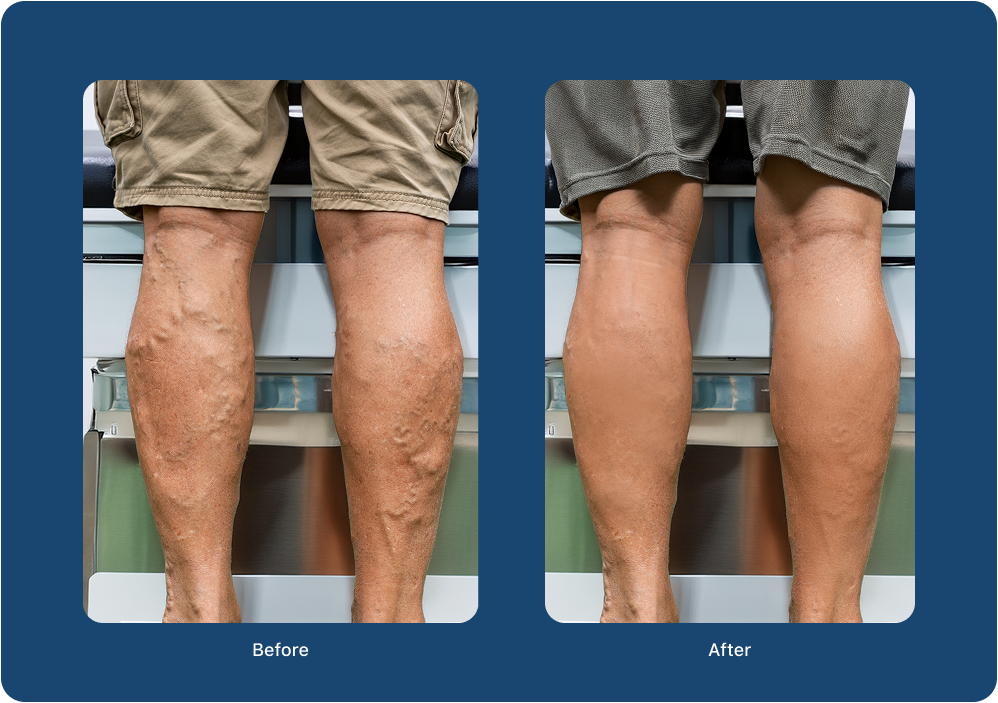
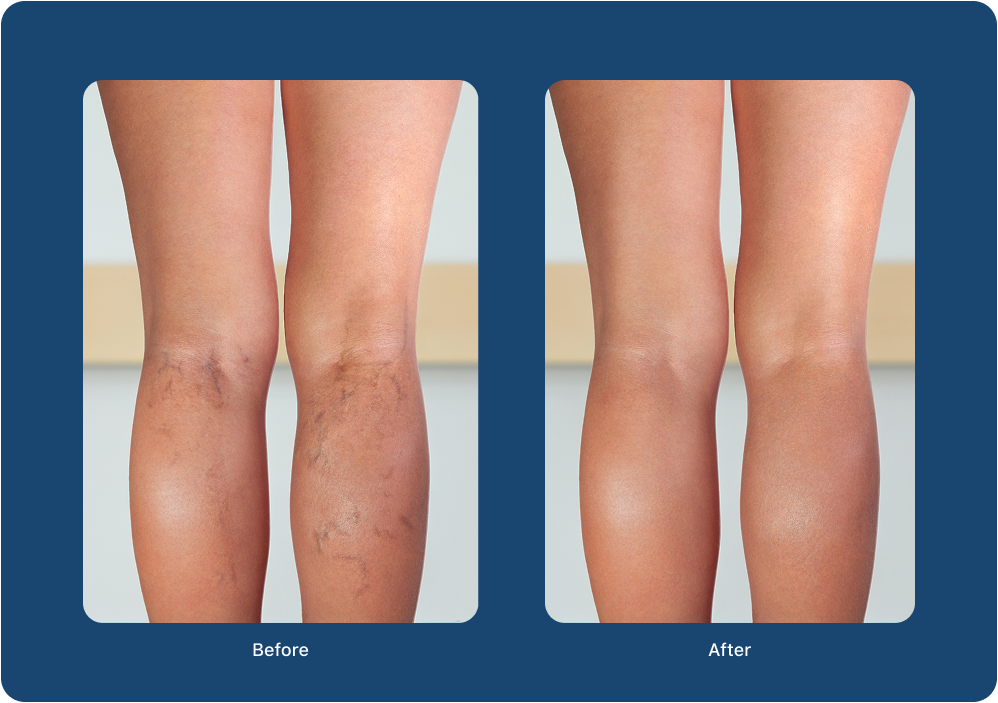
The Vein Health Center is a specialty clinic. Located at our North Phoenix, Sun City and Gilbert locations, we treat medical vein conditions, including chronic venous insufficiency (CVI) and the associated symptoms such as varicose veins, ulcerations, achy legs, restless legs and swollen legs.

Expert Vein Care You Can Trust

The visible signs of CVI, such as bulging varicose veins and skin discoloration, have often been misconceived as a “cosmetic-only” issue. However, vein insufficiency often leads to substantial medical complications, which can significantly affect our daily lives. Untreated CVI may progress, worsening the symptoms over time, leading to hard-to-treat ulcers and infections. Fortunately, being proactive in diagnosing and treatment can slow or stop the progression.

Minimally Invasive Treatments

No surgery, no scars, quick recovery time

Office-Based Procedures

Comfortable treatments in our state-of-the-art clinic

Medical & Cosmetic Solutions

Both functional and aesthetic vein treatments

Common Symptoms

We use our hands for everything and when problems occur it can affect even the most basic task. The most common symptoms include:

  • Leg pain, aching, or cramping
  • Burning or itching of the skin
  • Varicose veins
  • Leg or ankle swelling, especially at end of day
  • “Heavy” feeling in legs
  • Skin Discoloration or texture changes
  • Open wounds or sores
  • Restless legs
  • Bruising

Vein Care

Advanced treatments for varicose veins and spider veins

Proactive Treatment

As is with most diseases, preventative measures in combination with lifestyle changes can have a significant impact

Self-Assessment

If you suspect you have CVI, you might want to conduct a self-assessment at home

Vein Care Treatment Plans

Advanced minimally invasive treatments for varicose veins and spider veins, using laser, radiofrequency, and adhesive technologies.

60+

Vein Related Procedures Performed Each Month

98%

Of Patients Report Satisfaction with Procedure Results

3

Dedicated Vein Treatment Specialists Available

Conditions We Treat

  • Varicose Veins
  • Leg Swelling
  • Leg Cramps
  • Venous Ulcers
  • Venous Insufficiency
  • Leg Pain & Heaviness
  • Restless Legs
  • Skin Discoloration

Minimally Invasive Treatment Options

Radiofrequency ablation (RFA) is a minimally invasive procedure used to treat patients with varicose veins and chronic venous insufficiency (CVI). The ClosureFast™ catheter is inserted into the diseased vein while radiofrequency energy is emitted to provide uniformly distributed heat to contract the collagen in the vein walls. This process causes the vein to collapse and seal off, allowing blood to flow into healthy veins.

A minimally invasive vein treatment using medical adhesive to close diseased veins, improving blood flow and relieving symptoms without heat or tumescent anesthesia.

Have questions? Speak to one of care consultants at 866.974.2673

Proactive Treatment

Proactive vein care with minimally invasive treatments to prevent and manage multiple vein conditions using laser, radiofrequency, and adhesive therapies.

60+

Vein Related Procedures Performed Each Month

98%

Of Patients Report Satisfaction with Procedure Results

3

Dedicated Vein Treatment Specialists Available

Conditions We Treat

  • Varicose Veins
  • Leg Swelling
  • Leg Cramps
  • Venous Ulcers
  • Venous Insufficiency
  • Leg Pain & Heaviness
  • Restless Legs
  • Skin Discoloration

Proactive Vein & Vascular Treatments

Have questions? Speak to one of care consultants at 866.974.2673

Vein Health Self-Assesment

Check your vein health early with our quick self-assessment to identify risks for different types of vein related conditions.

60+

Vein Related Procedures Performed Each Month

98%

Of Patients Report Satisfaction with Procedure Results

3

Dedicated Vein Treatment Specialists Available

Factors that may put you at greater risk for
unhealthy vein conditions include:

  • Female Gender
  • Age 30+
  • Family History
  • Sedentary lifestyle
  • Prolonged Standing
  • Obesity or excess weight
  • Current or previous pregnancies
  • Smoking
  • BMI Over 30

Doing a Vein Health Self-Assessment at Home

If you suspect you have CVI, you might want to conduct a self-assessment at home. Looking for the below mentioned symptoms is a good start. However, to properly diagnose CVI, you should schedule a consultation 
with a medical professional.

Have questions? Speak to one of care consultants at 866.974.2673

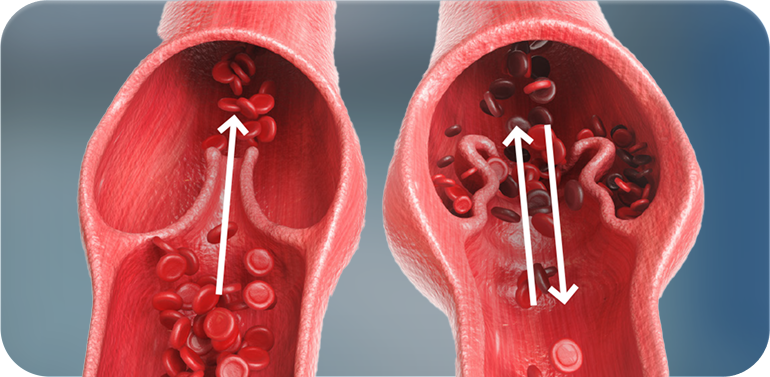
Vein Valve Comparison Illustrating Venous Reflux Disease

Healthy Vein Valve

Healthy valves keep blood moving in one direction.

Diseased Vein Valve

Diseased valves cause blood to move in both directions, elevating venous pressure.

Venous reflux disease develops when the valves that keep blood flowing in the correct direction no longer function well, causing the blood to pool in the legs.

Venous reflux is chronic and can worsen over time and can lead to chronic venous insufficiency (CVI) and venous leg ulcers. 

If left untreated, chronic venous insufficiency typically worsens over time with worsening symptoms.

Treatment Spotlight

Genicular Artery Embolization 

WHAT IS GENICULAR ARTERY EMBOLIZATION? 

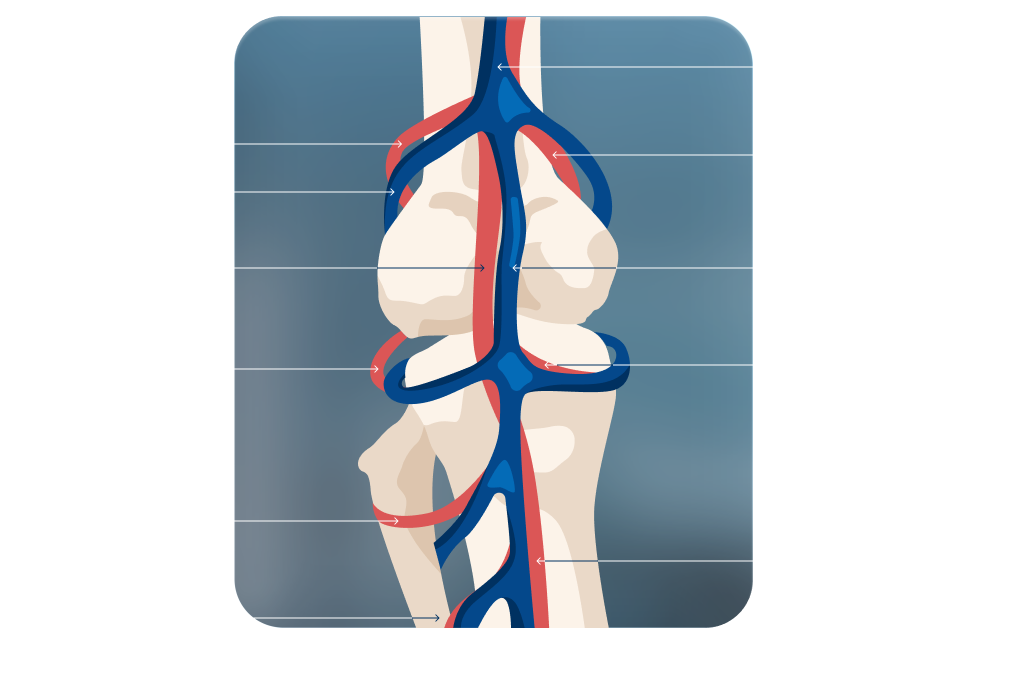
Genicular artery embolization (GAE) is a minimally invasive procedure that helps to reduce knee pain due to inflammation. Inflammation in the knee may occur from many different causes, including arthritis. Inflammation overtime will lead to growth of small arteries around the joint that will increase the inflammation, swelling and pain to the area. The goal of the genicular artery embolization is to block off these unnecessary artery branches by injecting tiny particles into the area. Your knee will still maintain its normal blood flow, but inflammation will be reduced leading to less pain. 

Who can get a GAE?

GAEs are recommended for patients who have failed other nonsurgical treatments for knee pain. A vascular specialist at the CORE Institute will need to determine if you are a candidate for a genicular artery embolization. They may send you for an x-ray or CT scan with dye to determine if you would benefit from the procedure.

How is a GAE performed?

A vascular specialist will make a small incision at the top of the leg and insert a tiny catheter into the artery leading to the knee. The catheter will be passed to the area in the back of the knee using x-ray. 

How long is the recovery?

You will need to wait in the recovery area for approximately 4 hours after the procedure. Once you are ready to go home, you will be allowed to put all your weight on the leg and walk. For the next 24 hours you will need to avoid the following: bending at the hip, lifting greater than 10lbs, and stairs, if possible. For 48 hours following the procedure you may experience an increase in pain and may need to take over the counter pain medication such as Tylenol. You will also need to keep your bandages on for 48 hours and then will be allowed to shower. You will not be able to soak any puncture sites for 2 weeks. 

How long does it take to feel relief? 

Typically, patients receive relief from the genicular artery embolization 2 weeks after the procedure. This can last up to one year and can be repeated in the future.

Schedule Your Appointment Online

Schedule a consultation with one of our vein health providers to discuss your condition and explore personalized treatment options.

Find Your Specialist

Connect with board-certified physicians who specialize in your specific condition. 
Search by specialty, location, or provider name to find the right care for you.

Frequently Asked Questions

Common questions about vein care at The CORE Institute

If you’re noticing varicose or spider veins, leg heaviness, aching, swelling, itching, or skin changes, a vein evaluation at The CORE Institute can help clarify what’s causing your symptoms and what options might be available.
Your appointment will typically include a discussion of your symptoms, a physical exam, and an ultrasound to assess blood flow and vein health. This helps the team at The CORE Institute recommend next steps.
Yes — we offer advanced, minimally invasive procedures such as endovenous thermal ablation and VenaSeal closure that can help redirect blood flow and reduce symptoms with little downtime.
Most vein procedures performed at The CORE Institute are well tolerated and done with local anesthesia. Many patients return to regular activities soon afterward.
Coverage varies by plan and diagnosis. Our team can help submit findings and recommendations to your insurance carrier to check benefits.
Simple steps like regular movement, leg elevation, and managing weight may help support vein health, especially when vein issues are mild or early.

Patient Success Stories

Real stories from patients who found relief and returned to the activities they love.