 866.974.2673
 866.974.2673

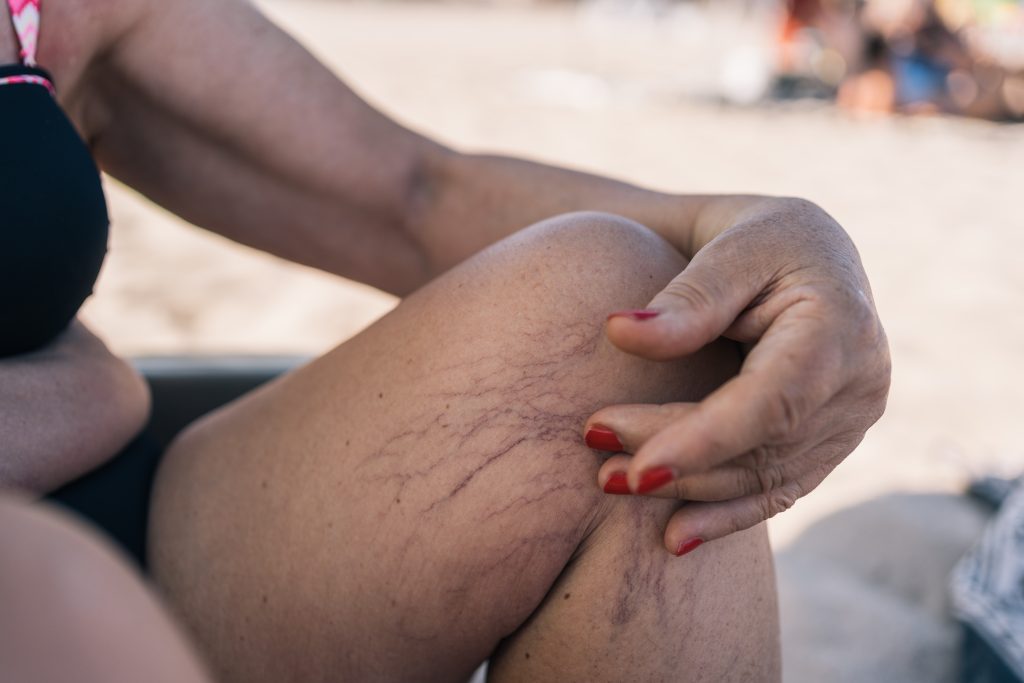
Summer Heat Can Make Varicose Vein Symptoms More Noticeable
Many people notice something unexpected during the hot summer months: their varicose veins seem more visible, more uncomfortable, and harder to ignore. If you’ve found yourself experiencing increased leg swelling, aching, heaviness, or more prominent veins during the summer months, you’re not imagining it.
The warmer weather can have a direct impact on your veins, making symptoms more noticeable and sometimes worsening discomfort. Understanding why this happens can help you take steps to manage symptoms and know when it’s time to seek treatment.
How Summer Heat Affects Your Veins
Your veins play an important role in returning blood from your legs back to your heart. To do this effectively, veins rely on tiny one-way valves that help keep blood moving upward against gravity.
When these valves weaken or become damaged, blood can pool in the veins, causing them to enlarge and become visible beneath the skin, a common condition called called varicose veins.
During the summer, heat causes blood vessels to naturally dilate, or widen, as part of the body’s cooling process. While this helps regulate body temperature, it can also make it more difficult for blood to circulate efficiently back to the heart.
As a result, people with varicose veins may experience:
- Increased swelling in the legs and ankles
- Heaviness or fatigue in the legs
- Aching, throbbing, or cramping
- More visible bulging veins
- Increased discomfort after standing or sitting for long periods
Why Symptoms Often Feel Worse in Hot Weather
Heat-related vein symptoms are especially common in Arizona, where summer temperatures regularly reach triple digits.
When veins expand, blood tends to move more slowly through the circulatory system. This can increase pressure within already weakened veins and contribute to swelling and discomfort.
Many people also spend more time traveling, sitting during road trips or flights, attending outdoor events, or standing for extended periods during summer activities, all of which can further aggravate vein symptoms.
Are Varicose Veins Just a Cosmetic Concern?
While many people seek treatment because of the appearance of varicose veins, they can also be a sign of underlying venous disease.
Left untreated, vein disease may lead to:
- Chronic leg swelling
- Skin discoloration
- Itching or irritation
- Venous ulcers
- Increased risk of blood clots in certain situations
If your symptoms are affecting your comfort, activity level, or quality of life, it’s worth having them evaluated by a vein specialist.
Tips to Manage Varicose Vein Symptoms This Summer
Although you can’t control the temperature outside, there are several ways to help reduce vein-related discomfort during the warmer months.
Stay Active
Regular movement helps your calf muscles pump blood back toward the heart. Walking, swimming, and cycling are excellent low-impact activities that support healthy circulation.
Elevate Your Legs
Taking short breaks to elevate your legs above heart level can help reduce swelling and improve blood flow.
Stay Hydrated
Proper hydration supports healthy circulation and may help reduce fluid retention.
Avoid Prolonged Standing or Sitting
If your job or travel plans require long periods in one position, try to move around every hour when possible.
Wear Compression Stockings
Compression garments provide gentle pressure that helps support circulation and reduce symptoms such as swelling and heaviness.
When Should You See a Vein Specialist?
If you notice persistent swelling, aching, visible bulging veins, skin changes, or symptoms that worsen during the summer months, a vein evaluation may help identify the underlying cause.
Modern vein treatments are minimally invasive and often require little downtime. Many procedures can be performed in an outpatient setting, allowing patients to return to normal activities quickly.
Expert Vein Care at The CORE Institute
At The CORE Institute’s Vein Health Center, our specialists provide comprehensive evaluation and treatment for varicose veins, spider veins, and chronic venous insufficiency. Using advanced diagnostic tools and minimally invasive treatment options, we help patients improve both their vein health and quality of life.
While summer may make vein symptoms more noticeable, it can also serve as an important reminder to address issues before they progress. If your legs are feeling heavier, more swollen, or more uncomfortable this season, it may be time to schedule an evaluation and explore your treatment options.
To learn more about vein care services at The Vein Health Center at The CORE Institute or schedule an appointment, contact our team today.

